
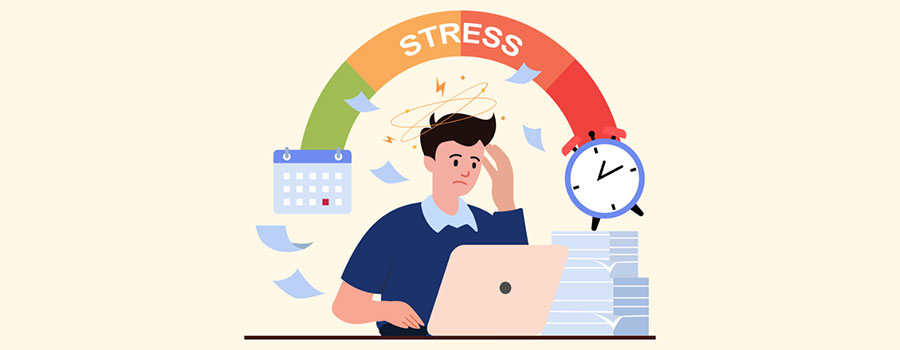
Ever had one of those days when everything piles up at once? Between work, personal responsibilities, and the constant stream of things to think about, finding a moment to breathe can feel difficult. While some stress is a normal part of life, carrying it around every day can take a toll on how you feel and function.
Learning how to reduce stress starts with recognizing that, even when you cannot change what’s causing it, you can take healthy steps to ease the pressure and regain a sense of control.
What Are Some Effective Stress Management Techniques?
Managing this does not always require a major lifestyle change. Small practical
adjustments can help you feel more grounded when life becomes overwhelming. If you are figuring out how to reduce stress in your everyday life, start with simple strategies you can maintain consistently.
- Break tasks into smaller steps: Focus on one thing at a time instead of trying to solve everything at once. A short, realistic to-do list can make responsibilities feel more manageable.
- Practice slow breathing: Breathe in gently through your nose and exhale slowly. Repeating this for a few minutes can help settle your body when tension builds.
- Take short breaks: Step away from your screen, stretch, or get some fresh air. A brief pause can help you return to a task with a clearer head.
- Talk to someone you trust: Sharing what is bothering you can make difficult feelings easier to process. You do not always need advice; sometimes, being heard is enough
Immediate Relievers When Stress Feels Overwhelming
Some situations call for quick ways to steady yourself. These immediate relievers will not remove the source of stress, but they may help you feel calmer in the moment.
Try grounding yourself by noticing five things you can see, four you can feel, and three you can hear. You can also loosen your shoulders, unclench your jaw, drink some water, or take a brief walk.
If your thoughts feel crowded, write down what is worrying you. Separate what you can act on now from what is outside your control. This can make the next step feel clearer and less intimidating.
How to Reduce Stress and Anxiety Through Daily Habits
Anxietybcan feel harder to manage when you are tired, skipping meals, or constantly rushing. Building supportive daily habits can help you cope with everyday pressures more effectively.
- Prioritise sleep: Keep a consistent sleep schedule and unwind before bed.
- Move your body: Walking, stretching, dancing, or another activity you enjoy can help release tension.
- Eat regularly and stay hydrated: Going long periods without food or water may leave you feeling more drained.
- Set boundaries: Give yourself permission to say no when your schedule is already full. You do not have to respond to every message or complete every task immediately.
- Make room for enjoyable activities: Reading, spending time outdoors, or connecting with loved ones can give your mind a break from daily demands.
These habits will not eliminate every stressful situation, but they can make it easier to respond without feeling completely overwhelmed. They are also a practical starting point if you want to understand how to reduce stress and anxiety over time.
How to Relax Your Mind From Stress
Sometimes, the hardest part isn’t the situation itself, but the thoughts that keep replaying. If you are wondering how to relax your mind from stress, try focusing on the present rather than repeatedly revisiting what might go wrong.
Mindfulness, journaling, prayer or quiet reflection, and listening to calming music may help you slow down. Choose an approach that feels comfortable rather than treating relaxation as another task you have to get right.
Remember, you do not need to feel calm all the time. Learning how to reduce stress is not about eliminating every difficult emotion. It is about developing healthier ways to respond when pressure builds and recognising when you need a break or additional support.
When Should You Seek Support?
If you keep feeling the same way for weeks, it affects your sleep or relationships, interferes with everyday responsibilities, or feels difficult to manage alone, consider speaking with a mental health professional. Persistent stress can overlap with anxiety and other concerns that may benefit from professional support.
At Caravan of Life Pakistan Trust (CoLPT), mental health support and rehabilitation services help individuals work toward improved well-being and recovery. Reaching out for help is a positive step, not a sign of weakness. Contact COLPT to learn more about mental health support and services that can help you work towards better well-being.
FAQs
Q1: What is the fastest way to feel less stressed?
A: Try slow breathing, grounding exercises, stretching, or taking a brief break. These methods may help you feel steadier, although their effects vary from person to person.
Q2: Can daily habits really help manage stress?
A: Yes. Regular sleep, physical activity, balanced meals, time to relax, and healthy boundaries can help you cope with daily pressures.
Q3: When does stress become a concern?
A: Stress may need attention when it persists, feels unmanageable, or starts affecting your sleep, mood, relationships, or daily functioning. A mental health professional can help you identify appropriate support.

