Recovery Begins with Understanding
Hum Bolenge –End The Silence
Mental health is a part of every community, every family, and every life. Yet stigma and misconceptions often prevent individuals from seeking support, sharing their experiences, and fully participating in society.
Through Hum Bolenge – End The Silence, Caravan of Life Pakistan Trust is working to create a culture of understanding, acceptance, and inclusion. By encouraging open conversations, raising awareness, and amplifying lived experiences, we aim to challenge misconceptions and promote dignity, hope, and recovery.
Together, we can build communities where mental health is understood, every voice is valued, and every individual has the opportunity to thrive.
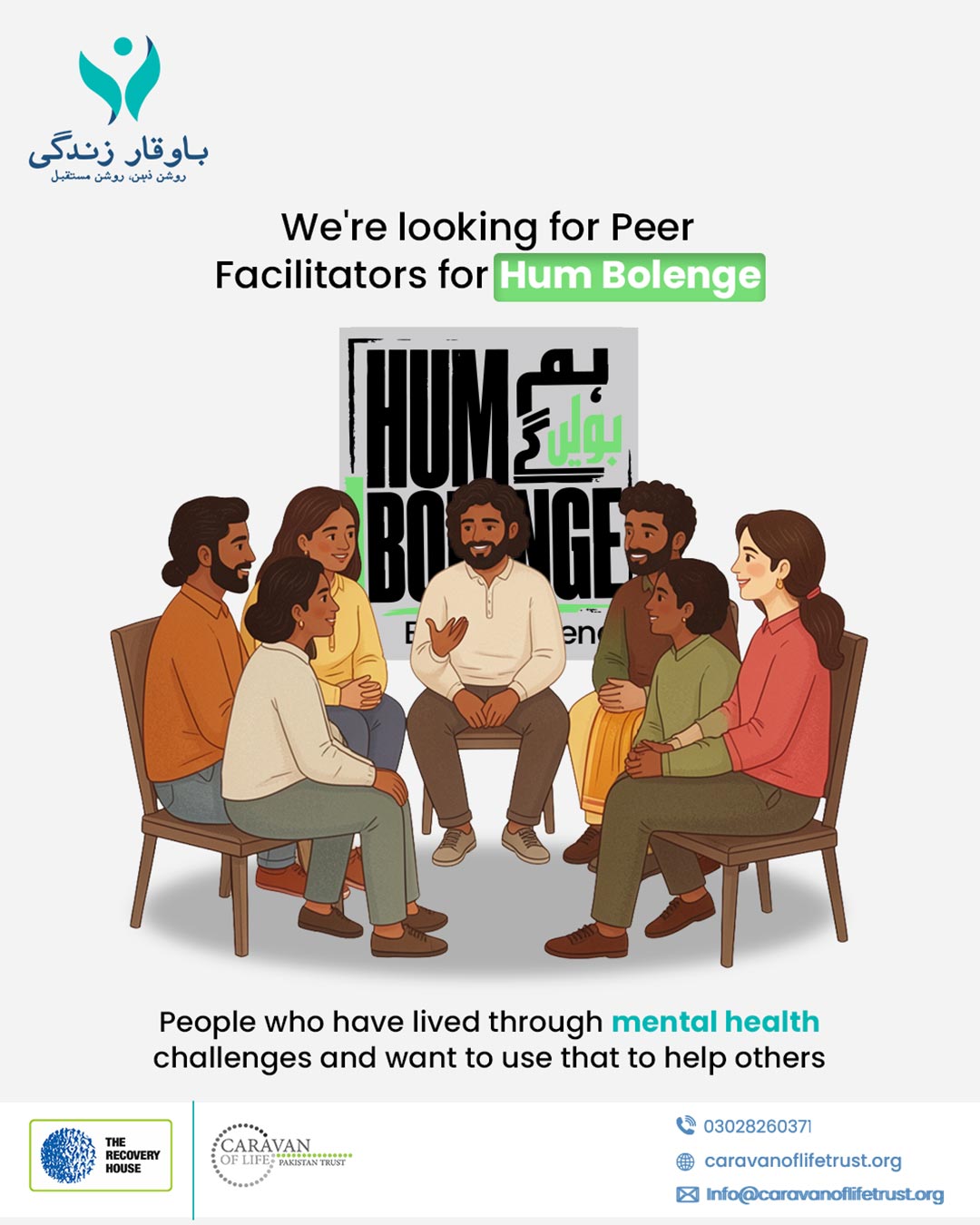
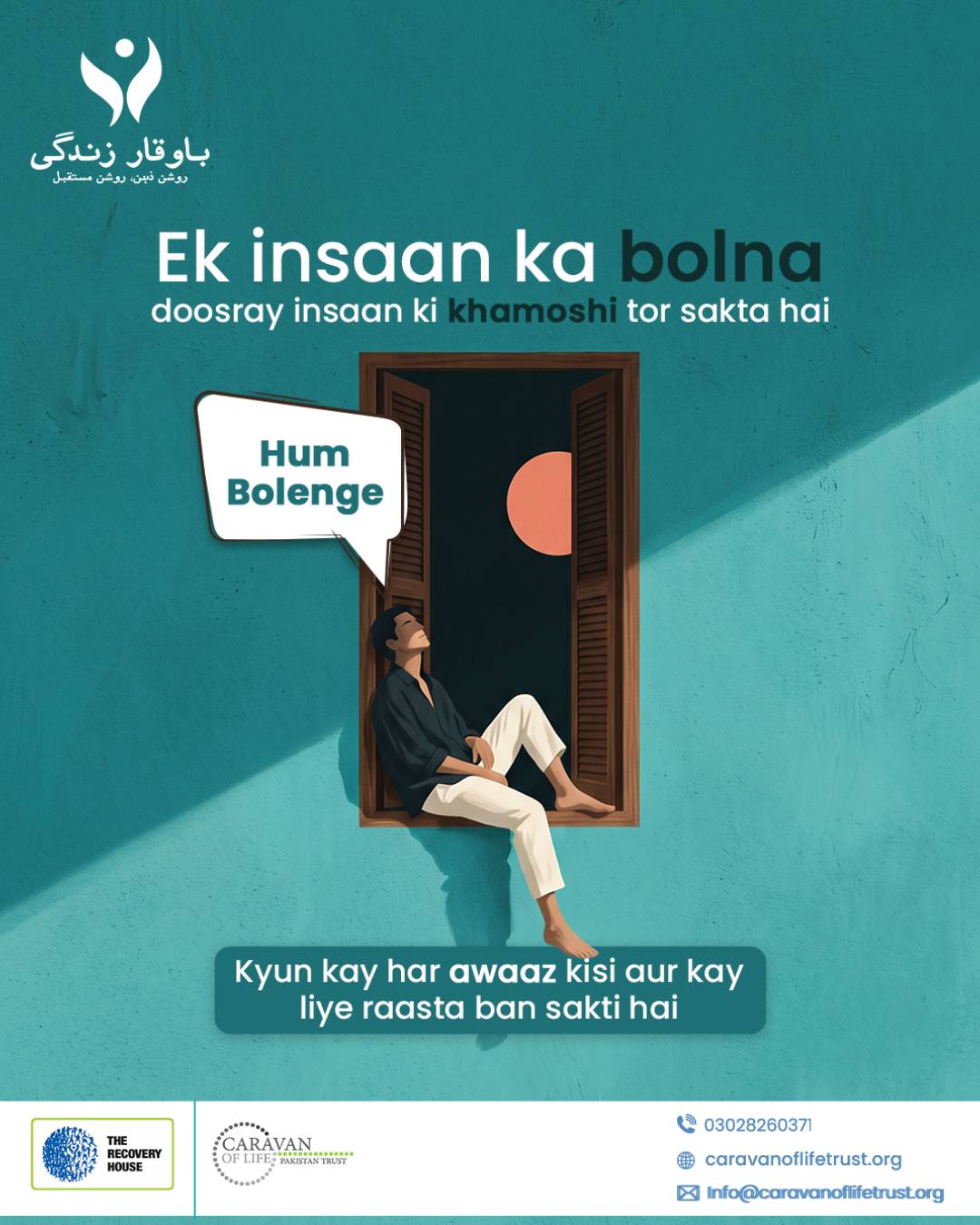
Speaking Up. Changing Perspectives.
Turning Awareness into Understanding and Action
Mission
We envision Hum Bolenge – End The Silence to help society be more aware and have open and positive conversations about mental health; eliminate stigma surrounding mental illnesses; and recognise, respond to, and encourage seeking professional help for mental health challenges.
Vision
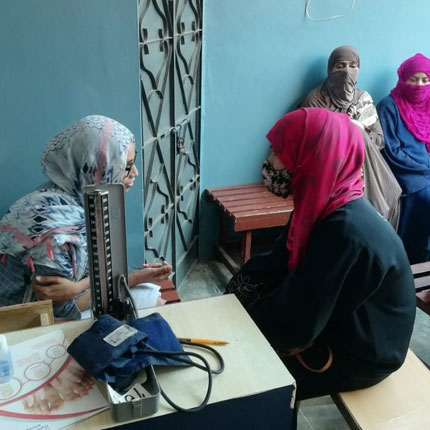
The mission of Hum Bolenge – End The Silence is to address stigma with two of the most important players in our society: clients and their families. The project aims to raise awareness around mental illnesses and reduce the harms from stigma experienced by people with a serious mental illness through psychoeducation of clients and families and challenging their internalized negative beliefs about themselves and their challenges. It also aims to promote recovery and recovery-related outcomes in clients.
Why Hum Bolenge – End The Silence?
Mental health is part of every community, every family, and every workplace. Yet many individuals continue to face barriers created by misunderstanding, stereotypes, and silence. These barriers can affect opportunities, relationships, confidence, and access to support.
Hum Bolenge was created to inspire conversations that promote understanding, empathy, and inclusion. We believe that when people share experiences, learn from one another, and engage in open dialogue, communities become stronger and more supportive.
Our campaign brings together individuals with lived experience, families, professionals, educators, students, and community members to create greater awareness and encourage positive attitudes toward mental health and recovery.
Join the Movement
Every conversation can make a difference. Whether you are a student, family member, professional, volunteer, educator, healthcare provider, or community leader, you can help create a culture of understanding and acceptance.
Together, we can transform perspectives, strengthen communities, and build a future where mental health is understood, recovery is celebrated, and every voice is heard.
Our Approach
Awareness
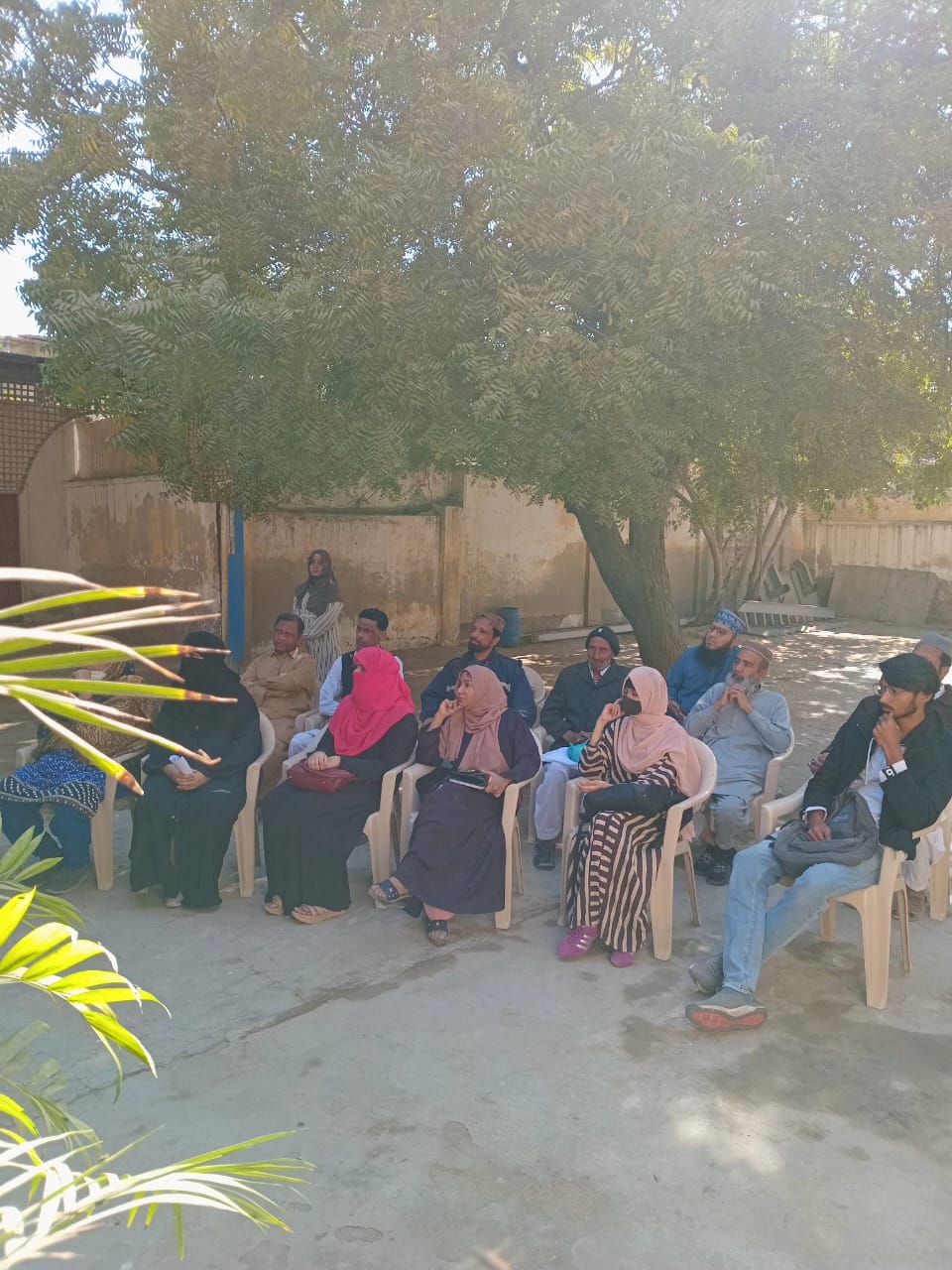
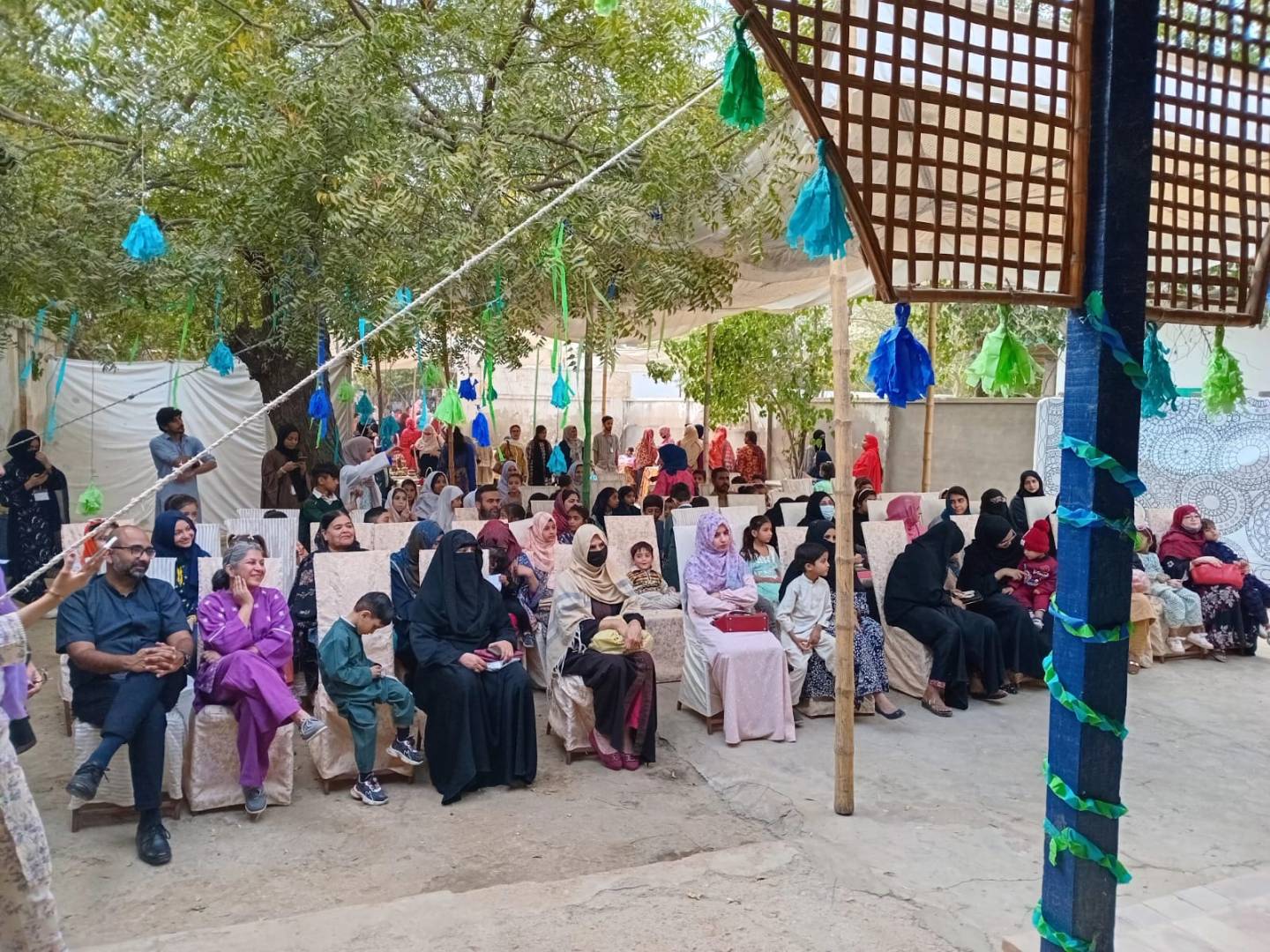
We create opportunities for communities to learn about mental health through workshops, public events, educational initiatives, and awareness campaigns.
Conversation
We encourage open and meaningful discussions that help build understanding, challenge misconceptions, and promote acceptance.
Community Engagement
Through partnerships with schools, universities, healthcare organizations, businesses, and community groups, we work to build environments where mental wellbeing is understood and supported.
Lived Experience
Personal stories have the power to inspire hope and create change. By amplifying voices of lived experience, we help humanize mental health and recovery.
Advocacy
We promote dignity, inclusion, and equal opportunities for individuals experiencing mental health challenges, helping create communities where everyone can participate and thrive.

