
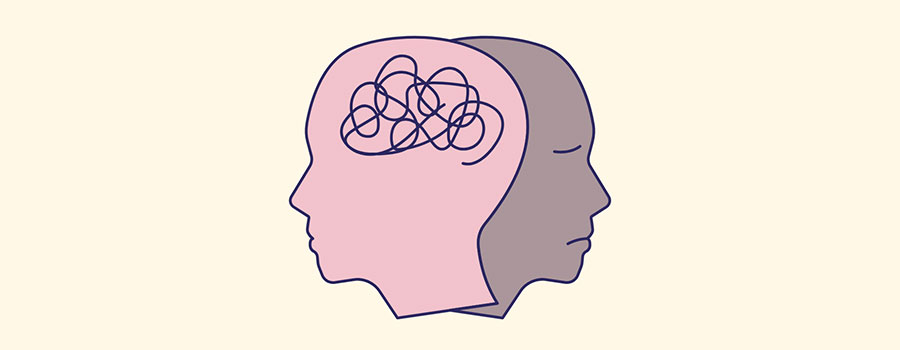
Living with schizophrenia can affect how a person thinks, feels, and experiences the world. For individuals and their families, understanding the condition and finding the right support can make the path forward feel less overwhelming.
Schizophrenia treatment can help manage symptoms, improve daily functioning, and support a meaningful life. Although schizophrenia is a long-term mental health condition, a combination of appropriate medication, psychological therapies, and ongoing support can help people work towards recovery.
What Is Schizophrenia?
Schizophrenia is a mental health condition that can affect a person’s perception, thoughts, emotions, and behaviour. Some people experience hallucinations, delusions, or difficulty organizing their thoughts. Others may struggle with motivation, concentration, or social interaction.
The symptoms of schizophrenia vary from person to person and may change over time. Understanding these symptoms can help individuals and families recognize when professional assessment and treatment may be needed.
What Are the Signs and Symptoms of Schizophrenia
Symptoms generally fall into three categories:
- Positive Symptoms: Hallucinations, such as hearing voices, and delusions, which involve strongly held beliefs that do not align with reality.
- Negative Symptoms: Reduced motivation, limited emotional expression, withdrawal from social activities, or difficulty experiencing pleasure.
- Cognitive symptoms: Problems with attention, memory, decision-making, or organizing everyday tasks.
These experiences can also have other causes. A qualified mental health professional can assess symptoms and determine the appropriate diagnosis.
What Does Schizophrenia Treatment Involve?
An effective treatment plan may combine medication, psychological therapies, psychiatric rehabilitation, and support from family or other trusted people. The right approach depends on the person’s symptoms, preferences, daily needs, and response to care.
1. Medication
Antipsychotic medications can help reduce symptoms such as hallucinations, delusions, and disorganised thinking. A psychiatrist determines the appropriate medication and dosage while monitoring its effectiveness and possible side effects.
Medication is often an important part of schizophrenia treatment, but people should not stop or change prescribed medication without consulting their healthcare provider. Sudden changes may increase the risk of symptoms returning.
2. Psychotherapy and Psychosocial Support
Medication is often only one part of schizophrenia treatment. Psychotherapy and psychosocial support can help individuals understand their experiences, develop coping strategies, strengthen relationships, and manage everyday challenges.
Psychosocial and talking therapies may include cognitive behavioural therapy (CBT), family interventions, and counselling. These approaches can complement medical care by helping people build confidence and manage daily challenges.
3. Psychiatric Rehabilitation
It helps people build the skills and confidence needed for daily life. This may involve structured routines and social activities, life skills development, and support with education or employment.
As part of a broader treatment plan, rehabilitation can help individuals work towards greater independence and community participation. When appropriate and welcomed by the individual, family involvement can also strengthen ongoing support.
4. Crisis Intervention
A mental health crisis may involve severe distress, rapidly worsening symptoms, or difficulty staying safe. Crisis intervention focuses on immediate safety, professional assessment, and access to appropriate care.
If someone is at immediate risk of harming themselves or another person, seek emergency medical assistance. Avoid arguing about delusions or dismissing the person’s distress. Speak calmly, reduce unnecessary stimulation, and seek professional guidance.
What Are Some Helpful Tips for People With Schizophrenia?
- Maintain a routine: Regular sleep, meals, and activities can provide structure.
- Attend follow-up appointments: Keep in touch with the treatment team and discuss any changes in symptoms or side effects.
- Identify early warning signs: Notice changes in sleep, mood, social behaviour, or thinking that may signal worsening symptoms.
- Build a support network: Stay connected with trusted family members, friends, support groups, or mental health professionals.
- Avoid recreational drugs: Cannabis and other substances can worsen symptoms in some people.
- Set realistic goals: Break tasks into manageable steps and recognize progress, even when it feels small.
Families can help by listening without judgment, learning about the condition, and encouraging treatment without taking away the person’s independence.
How Can COLPT Help?
Caravan of Life Pakistan Trust (COLPT) supports individuals living with serious mental health conditions through psychiatric rehabilitation and recovery-focused services. Its approach emphasizes dignity, practical skills, family involvement, and community reintegration.
With appropriate professional care and ongoing support, people living with schizophrenia can work towards greater independence and a better quality of life. Contact COLPT to learn more about its mental health and psychiatric rehabilitation services.
FAQs
Q1: Can schizophrenia be treated successfully?
A: Treatment can help manage symptoms, reduce relapse risk, and improve daily functioning. Outcomes vary by individual, so ongoing care and a personalized treatment plan are important.
Q2: Is medication always necessary for schizophrenia?
A: Antipsychotic medication is a key part of treatment for many people. A psychiatrist can explain available options and consider individual needs, side effects, and treatment preferences. Always discuss medication changes with a healthcare professional.
Q3: Can someone with schizophrenia live independently?
A: Yes, some people live independently, while others benefit from ongoing assistance. The right combination of treatment, rehabilitation, practical skills, and social support can help individuals work towards the level of independence that suits their needs.

